
Steady in a Heartbeat: Sensory Grounding You Can Use Anywhere
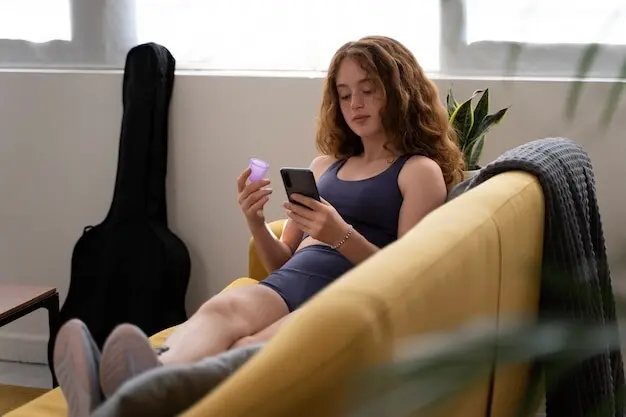
Today we explore on-the-spot sensory grounding for instant anxiety relief, turning simple inputs from sight, sound, touch, smell, and taste into fast, reliable anchors. These methods require no special tools, work in crowded places, and restore presence by shifting focus from racing thoughts to concrete sensations. Expect practical steps, gentle science, and real-life stories that help you calm a spiking nervous system in seconds and build confidence for the next challenging moment.

What Your Senses Do Under Stress

When anxiety surges, the amygdala takes the wheel and narrows attention toward threat. Sensory grounding widens the lens again, convincing your nervous system that the here-and-now is navigable. By using sights, sounds, textures, temperatures, and scents intentionally, you reintroduce safety signals, reengage thinking centers, and interrupt spirals. Picture pausing in a grocery aisle, touching a cool bottle, and feeling your breath lengthen as your body recognizes something simple, tangible, and manageable.

The Brain’s Alarm and the Body’s Brakes

Anxiety is your internal smoke alarm; useful, yet often overly sensitive. Sensory grounding acts like brakes, feeding non-threatening data back to the brain. When you press feet into the floor, count edges on a table, or note three distant sounds, you’re proving safety with evidence. This evidence calms the alarm enough for your prefrontal cortex to return, helping you choose what actually matters in the next minute.

Vagus Nerve, Breath, and the Exhale Advantage

Longer exhales stimulate the vagus nerve, ushering the body toward rest-and-digest. Pairing lengthened exhales with a tactile cue creates a fast bridge back to steadiness. Slide your thumb along each fingertip, exhaling slowly as you trace. Add brief coolness—like a chilled can or tap water on wrists—to activate soothing pathways. These tiny adjustments nudge heart rate, muscle tension, and thinking toward clarity within surprisingly short spans.

Sight: Horizon Lines, Colors, and Counting Corners

Stabilize your gaze on a horizontal line—a windowsill, building edge, or distant curb—and let your eyes rest. Then identify three shades of one color around you, describing each briefly. Finally, count the corners of nearby objects, tracing them with a slow breath. Visual steadiness communicates predictability to the nervous system, replacing frantic scanning with measured noticing that reinforces, in seconds, the sense that the ground truly holds.

Sound: Layered Listening and Distance Labeling

Close your eyes if safe and identify three sound layers: near, mid, and far. Whisper-label each—keyboard taps close, footsteps mid, traffic far—then repeat once more, slightly slower. This organizes auditory input into a map your brain can follow. As chaos becomes categorized, urgency eases. The practice reminds your system that it can sort, prioritize, and respond, rather than react all at once to an undifferentiated wall of noise.

Touch: Temperature, Texture, and Pressure Points

Change temperature with a cool drink against your lips or wrist, then feel a textured object—a key’s ridges, denim seams, or a coin’s edge. Finish with gentle pressure through your heels into the floor. These tactile messages compete effectively with anxious signals. Temperature shifts catch attention, textures engross curiosity, and pressure grounds weight. Together, they convince the body it is supported, located, and capable of moving through the next breath.

Micro-Moments in Everyday Places

Real relief must fit real life. These discreet practices blend into meetings, commutes, and late-night wake-ups without announcing themselves. Instead of battling anxiety for minutes, you’ll borrow thirty quiet seconds and let the senses lead. Tiny anchors such as a patterned floor tile, a rail’s cool metal, or the weight of your phone turn ordinary surroundings into stabilizing allies that reliably help you reset and refocus.

In Meetings Without Drawing Attention

Under the table, press both feet evenly and notice heel, arch, and toe points. Softly widen your gaze to the room’s corners, then return to one neutral spot. Use a fingertip sequence—thumb to index, middle, ring, little—timed with slow exhales. Quietly note three colors you see. These moves stay invisible while your physiology shifts, helping you respond thoughtfully, ask clearer questions, and leave the meeting steadier than you entered.

On Public Transit When Space Is Tight

Wrap fingers around a rail, feeling temperature, texture, and exact pressure where skin meets metal. Identify one near, one mid, and one far sound, then trace five objects passing outside. If seated, press back into the chair, sensing support along shoulders and hips. Briefly taste mint gum to refresh focus. These commuter-sized anchors transform crowded motion into a structured rhythm your body can predict and ride more peacefully.

Words That Anchor When Feelings Flood

Language can be a handrail, guiding attention back to the present. Simple, factual sentences lower emotional static and add structure. Pair short phrases with sensory cues to stack benefits. When emotions surge, prewritten lines reduce decision load, giving you something automatic, compassionate, and steady to lean on. Over time, these statements become familiar pathways your mind recognizes and follows, even when storms are loud and visibility seems low.

Tools You Can Carry Without a Bag

Grounding props can be everyday items that slip into pockets. Strong scents, textured objects, and simple temperature shifts often work fastest. Create a mini-kit with peppermint, a ridged coin, and a small elastic band. Add a lock-screen note of three steps you trust. The goal is reliability, not perfection. When intensity spikes, reachable, repeatable cues shorten the path from overwhelm to presence and help you rejoin the moment meaningfully.

Make It Stick With Tiny Habits

Consistency turns skills into reflexes. Attach one sensory practice to moments that already happen—doorways, handwashing, or starting the car. Track streaks, celebrate short sessions, and keep failure costs low by simply beginning again. Invite a friend to practice together, share favorite anchors in the comments, and subscribe for weekly micro-drills. Repetition rewires confidence, so when life jolts, your body remembers exactly what to do without waiting for perfect motivation.
Novizorivarozentolaxi
Privacy Overview

This website uses cookies so that we can provide you with the best user experience possible. Cookie information is stored in your browser and performs functions such as recognising you when you return to our website and helping our team to understand which sections of the website you find most interesting and useful.